

Supercars 2025: How Leading Brands Redefine Performance Through Hybrid and Electric Technology
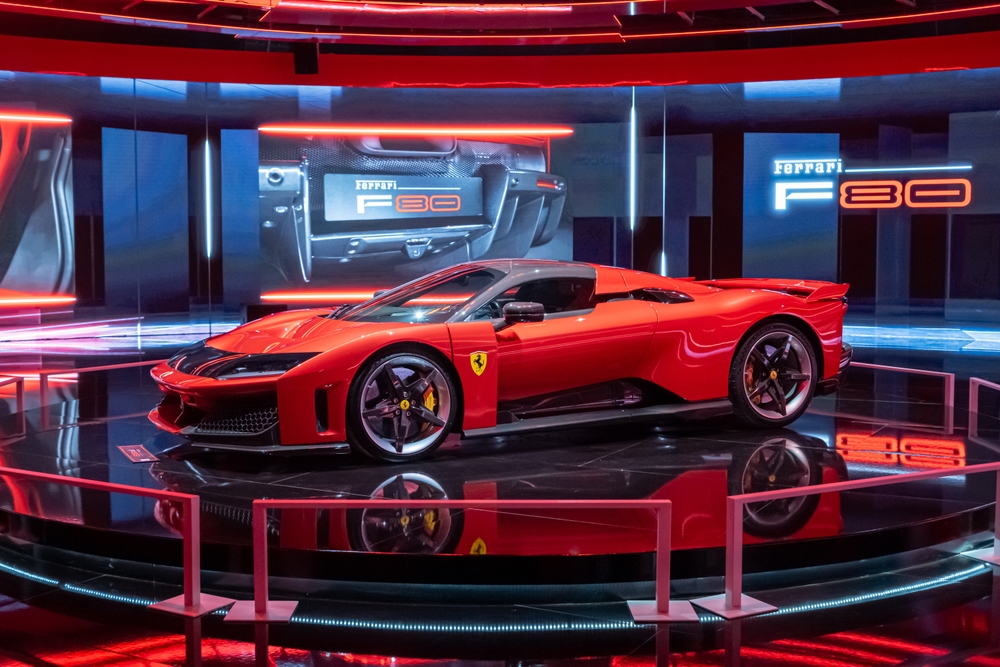
Ferrari F80 — blending legacy with innovation.
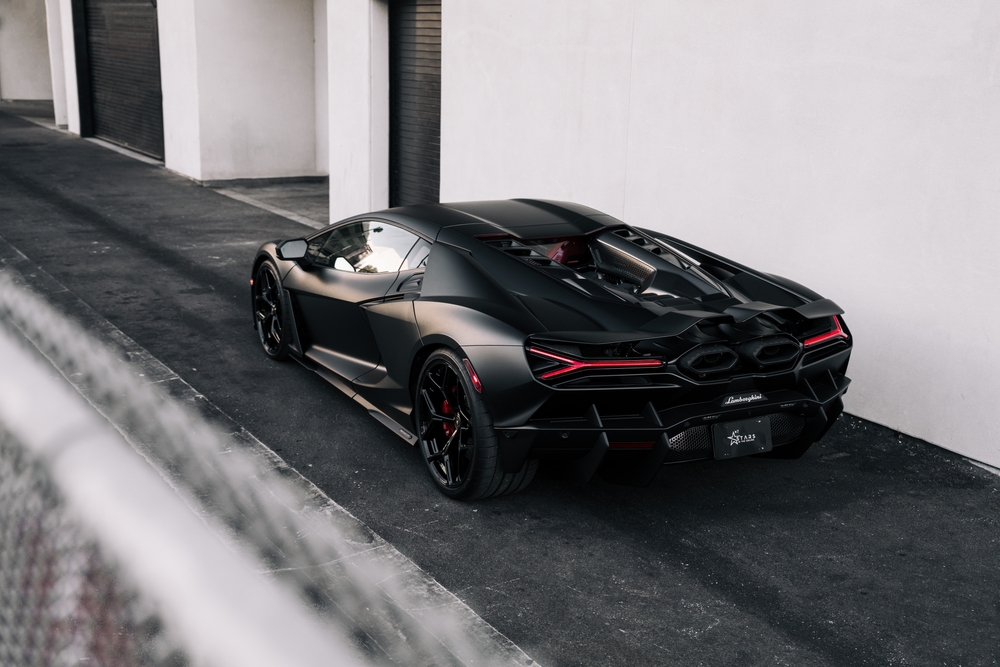
Lamborghini Revuelto — redefining power with hybrid intensity.
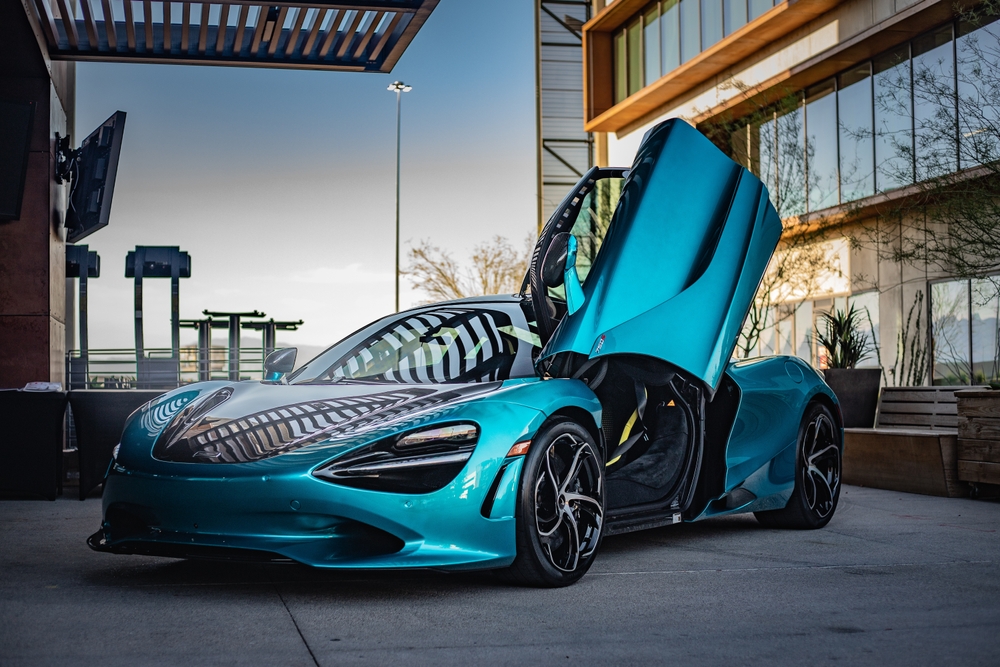
McLaren 750S — engineering lightness into speed.
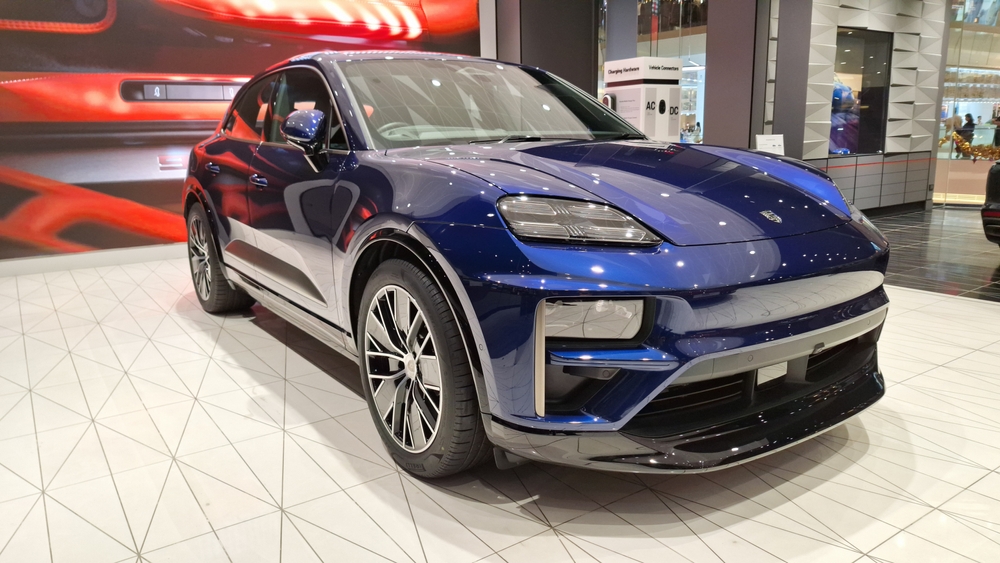
Porsche Macan EV — the evolution of performance through electrification.
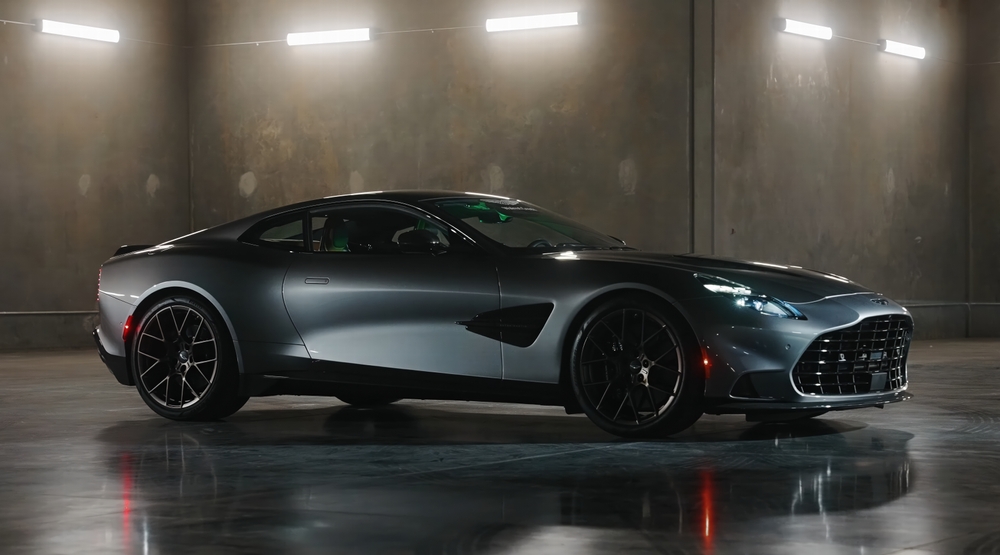
Aston Martin Vanquish — the balance of elegance and performance.
From Ferrari and Lamborghini to McLaren and Porsche — 2025 brings a shift toward hybrid systems, sustainable engineering, and a new understanding of power.
The industry, long associated with the roar of combustion engines and the pursuit of mechanical perfection, now stands at the crossroads of innovation and sustainability. Manufacturers are not abandoning their traditions — they are reinterpreting them through new materials, hybrid systems, and advanced digital architecture.
“Ferrari, Lamborghini, McLaren, and other brands are delivering cars that not only impress with speed but also define the trends of the future,” says Avi-Meir Zaslavsky, founder of 333AutoWorld.
The emerging generation of supercars is no longer defined by top speed alone.
They represent an intersection of engineering, design, and environmental responsibility, reflecting how technology is quietly reshaping performance culture.
For decades, the essence of a supercar was simple: maximum speed, extreme sound, and uncompromising performance. But in 2025, power takes on new meanings. Horsepower figures remain impressive, yet what lies behind them has changed — lightweight composite structures, complex hybrid systems, and energy recovery mechanisms have become integral.
Modern supercars no longer seek dominance through sheer force; instead, they pursue efficiency through intelligence. The question is not just how fast, but how effectively that speed is delivered — and how sustainable it can be.
“Technology doesn’t replace emotion,” Zaslavsky notes. “It refines it. Today’s innovations allow supercars to express performance in cleaner, smarter, and more precise ways.”
This shift is shaping the philosophy of manufacturers once known for their refusal to compromise. The old boundaries between combustion, hybrid, and electric are fading, replaced by experimentation and adaptive design.
Ferrari remains a symbol of continuity and evolution.
Among its most anticipated releases is the F80, a hypercar positioned to push the limits of hybrid performance. Combining a combustion engine with three electric motors, it delivers around 1,000 horsepower, integrating hybrid technology without sacrificing mechanical purity.
Alongside the F80 comes the 12Cilindri, successor to the 812 — a model that deliberately preserves the naturally aspirated V12, defying trends toward downsizing. This move reinforces Ferrari’s commitment to preserving the sound and rhythm that define its identity.
Other models like the 296 GTB and SF90 continue the brand’s hybrid exploration, while Ferrari’s first fully electric car is planned for 2026 — a step that may redefine what “Ferrari DNA” means in the modern age.
“Ferrari continues to blend tradition with innovation, delivering cars that stay true to the brand’s character while embracing the future,” says Zaslavsky.
Each model reflects a tension between heritage and adaptation — a balancing act between art and engineering that Ferrari has carefully refined over decades.
Lamborghini enters 2025 with bold intent. The Italian manufacturer, famous for theatrical design and visceral sound, is proving that electrification need not dilute intensity.
The Revuelto, its first production hybrid, pairs a V12 engine with three electric motors for a combined 1,001 hp. Unlike most hybrids, it’s not about quiet efficiency — it’s about extending performance possibilities while meeting new regulations.
Then there’s the Temerario, powered by a twin-turbo V8 hybrid system delivering around 920 hp.
It focuses on agility, responsiveness, and balance — a contrast to the Revuelto’s grand spectacle.
“Lamborghini has always been about delivering pure emotion behind the wheel,” Zaslavsky explains. “Its hybrid transition doesn’t erase that — it refines it for a new generation.”
For Lamborghini, 2025 marks the moment where design drama meets technical discipline. Electric power becomes part of the theater rather than its replacement.
In contrast to Lamborghini’s flamboyance, McLaren continues to define performance through minimalism and precision.
The upcoming W1, limited to just 399 units, exemplifies this approach — a hybrid hypercar with approximately 1,000 hp, engineered for lightness rather than excess.
Meanwhile, the 750S, successor to the 720S, represents evolution through refinement. Lighter by several kilograms, more aerodynamic, and sharper in handling, it embodies McLaren’s principle that purity of experience matters more than brute force.
“McLaren remains faithful to its philosophy of lightness and driving purity,” says Zaslavsky. “It’s not just about numbers — it’s about how a car communicates with the driver.”
McLaren’s 2025 models suggest that performance in the modern era is increasingly about sensation, not spectacle — the pursuit of precision over prestige.
Few brands manage technological change with Porsche’s sense of restraint and clarity.
The 911 Turbo S Hybrid, set to deliver around 701 hp, represents an important milestone. The hybrid integration is subtle, aimed at improving response and efficiency rather than transforming the car’s character.
Alongside it, Porsche continues refining its Taycan and Macan EV models, broadening its electric presence while securing compatibility with the Tesla Supercharger network — a pragmatic move toward accessibility.
What sets Porsche apart is its ability to blend progress with consistency.
Its hybrids do not shout innovation — they embody it quietly, through precision and usability rather than spectacle.
Aston Martin’s upcoming models maintain the brand’s distinctive mix of craftsmanship and performance. The refined DBX S, a high-performance luxury SUV, and the new Vanquish, equipped with a modernized V12, reflect the company’s attempt to align heritage with contemporary demands.
“Aston Martin remains a symbol of style and exclusivity,” Zaslavsky concludes. “Its approach combines comfort with top-tier dynamics — not through excess, but through refinement.”
The British marque continues to position itself not as a competitor in raw power, but as a curator of emotion, design, and craftsmanship — qualities that remain timeless even as drivetrains evolve.
What unites the 2025 lineup across brands is not horsepower, but philosophy.
Every model represents a response to the same global challenge: how to preserve identity in a time of radical technological change.
Supercars are increasingly about innovation in materials, energy management, and digital integration. Lightweight composites reduce emissions and improve balance. Artificial intelligence optimizes traction and aerodynamics in real time. Connectivity allows cars to evolve through software updates — a concept that would have seemed unthinkable a decade ago.
Manufacturers are also rediscovering restraint. The pursuit of sustainability encourages a more deliberate kind of engineering — one that treats performance not as consumption, but as efficiency expressed through art.
2025 will not mark the end of the combustion era, but rather its transformation.
V12s and turbocharged engines will coexist with electric motors and high-capacity batteries, blending history with innovation. The next generation of supercars will still inspire awe — but for different reasons.
They will symbolize adaptation, not rebellion; precision, not excess.
And while the sound of engines may fade in some models, the emotional connection between driver and machine will endure — powered by new technologies, but rooted in the same timeless fascination with movement.
Avi-Meir Zaslavsky
333AutoWorld
support@333autoworld.com
Visit us on social media:
LinkedIn
Instagram
Facebook
YouTube
TikTok
X
Other
Legal Disclaimer:
EIN Presswire provides this news content "as is" without warranty of any kind. We do not accept any responsibility or liability for the accuracy, content, images, videos, licenses, completeness, legality, or reliability of the information contained in this article. If you have any complaints or copyright issues related to this article, kindly contact the author above.
